Uber Picks Houston for Its Premium Robotaxi Service in 2027
Uber, EV maker Lucid, and self-driving company Nuro are bringing a premium robotaxi service to Houston by mid-2027. Here's the plain-English breakdown: the cars, the tech, the timeline, and how it stacks up against Waymo.
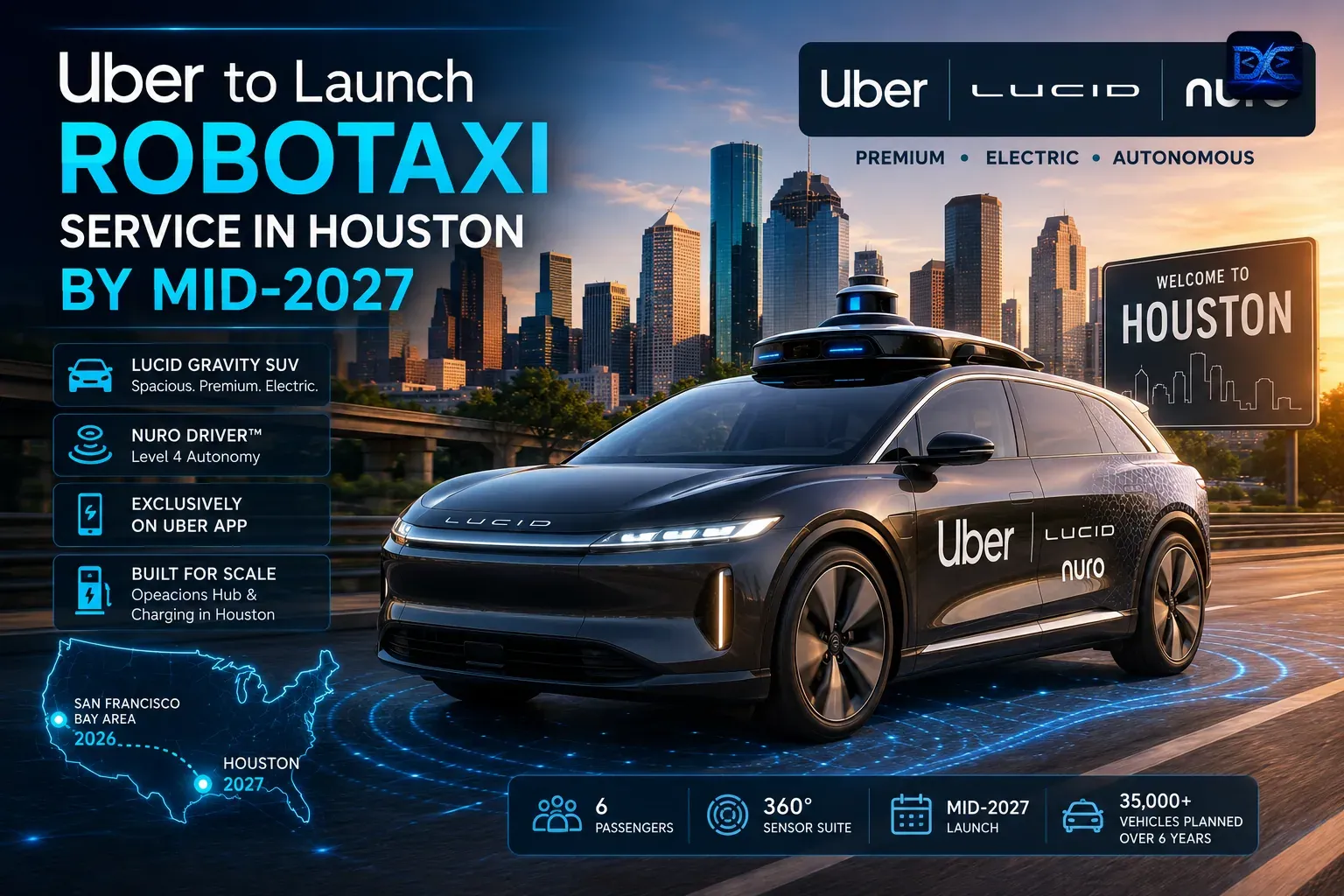
Uber is going deeper into self-driving rides. Together with EV maker Lucid Group and autonomous-tech company Nuro, Uber has picked Houston as its second major U.S. market for a premium robotaxi service. The launch is targeted for mid-2027, following a first rollout in the San Francisco Bay Area later in 2026.
In simple terms: Uber brings the app and the riders, Lucid builds the car, and Nuro provides the self-driving brain. Here’s what that partnership actually looks like.
Fast-moving story. Plans, dates, and fleet sizes for autonomous programs change often. Treat the figures below as the current plan, not a guarantee, and check official Uber sources for the latest.
The deal at a glance
| Detail | |
|---|---|
| Partners | Uber (app + operations), Lucid (vehicles), Nuro (self-driving) |
| First market | San Francisco Bay Area — later in 2026 |
| Second market | Houston — targeted for mid-2027 |
| Vehicle | Lucid Gravity electric SUV (up to 6 passengers) |
| Autonomy | Nuro Driver, a Level 4 self-driving system |
| Availability | Exclusively through the Uber app |
The car: Lucid Gravity
The service is built around the Lucid Gravity, a spacious, premium electric SUV that seats up to 6 passengers. It’s fitted with a next-generation sensor setup for full 360-degree awareness:
- High-resolution cameras
- Solid-state LiDAR
- Radar for all-around perception
- A roof-mounted “halo” that gives sensors a clear, unobstructed view
A midsize Lucid model is planned later too, so the service can scale beyond a single premium SUV.
The brain: Nuro’s Level 4 self-driving
The cars are powered by Nuro Driver, a Level 4 autonomous system. Level 4 means the vehicle can drive fully on its own within specific conditions and areas — no human needed behind the wheel in those zones. It’s designed for real, driverless operation, not just hands-off assistance.
How you’ll actually use it
Riders won’t deal with three separate brands. Everything runs through the Uber app, just like a normal ride. Uber handles:
- Fleet management (keeping cars running and charged)
- The rider experience, including in-cabin screens for entertainment and ride controls
- Scaling the service across the city
Timeline and scale
| Milestone | Status |
|---|---|
| On-road testing in Houston | Already underway, with safety operators |
| Combined test fleet | Nearly 100 vehicles across Houston and the Bay Area |
| Houston operations hub | A ~50,000 sq ft depot + charging facility being built |
| Commercial launch | Mid-2027 |
| Long-term plan | 35,000+ Lucid vehicles over roughly 6 years |
Uber has also signaled dozens more U.S. and international markets in the years ahead, making Houston an early step in a much bigger rollout.
Why Houston, and who’s the competition
Houston is a large, growing, car-dependent metro — a strong test for a premium ride service. But it’s not empty territory: Waymo (Alphabet) already runs commercial robotaxis in both Houston and the Bay Area. So Uber’s service goes head-to-head with Waymo from day one.
Uber’s angle is premium: a roomy, comfortable electric SUV and a polished in-app experience, backed by big investments in its partners to lock in vehicles and self-driving tech for the long run.
What this means
- For riders: A more premium robotaxi option is coming — but not until 2027 in Houston, and you’ll book it like any other Uber.
- For the industry: The “platform + carmaker + self-driving startup” model is becoming a common way to scale autonomy without one company doing everything.
- For builders: Watch the operations layer — charging depots, fleet software, and in-cabin experiences are where a lot of the real engineering (and opportunity) lives.
Takeaway: Self-driving is shifting from demos to scaled, premium services. The winners will be the ones who nail the boring-but-hard parts: fleets, charging, safety, and a smooth rider experience.
Bottom line
Uber’s Houston plan — Lucid cars, Nuro self-driving, Uber’s app — is a clear bet on premium autonomous ride-hailing at scale. Testing is already happening, the infrastructure is being built, and mid-2027 is the target. The real test will be delivering comfort, safety, and reliability against a rival that’s already on the road.
Related articles
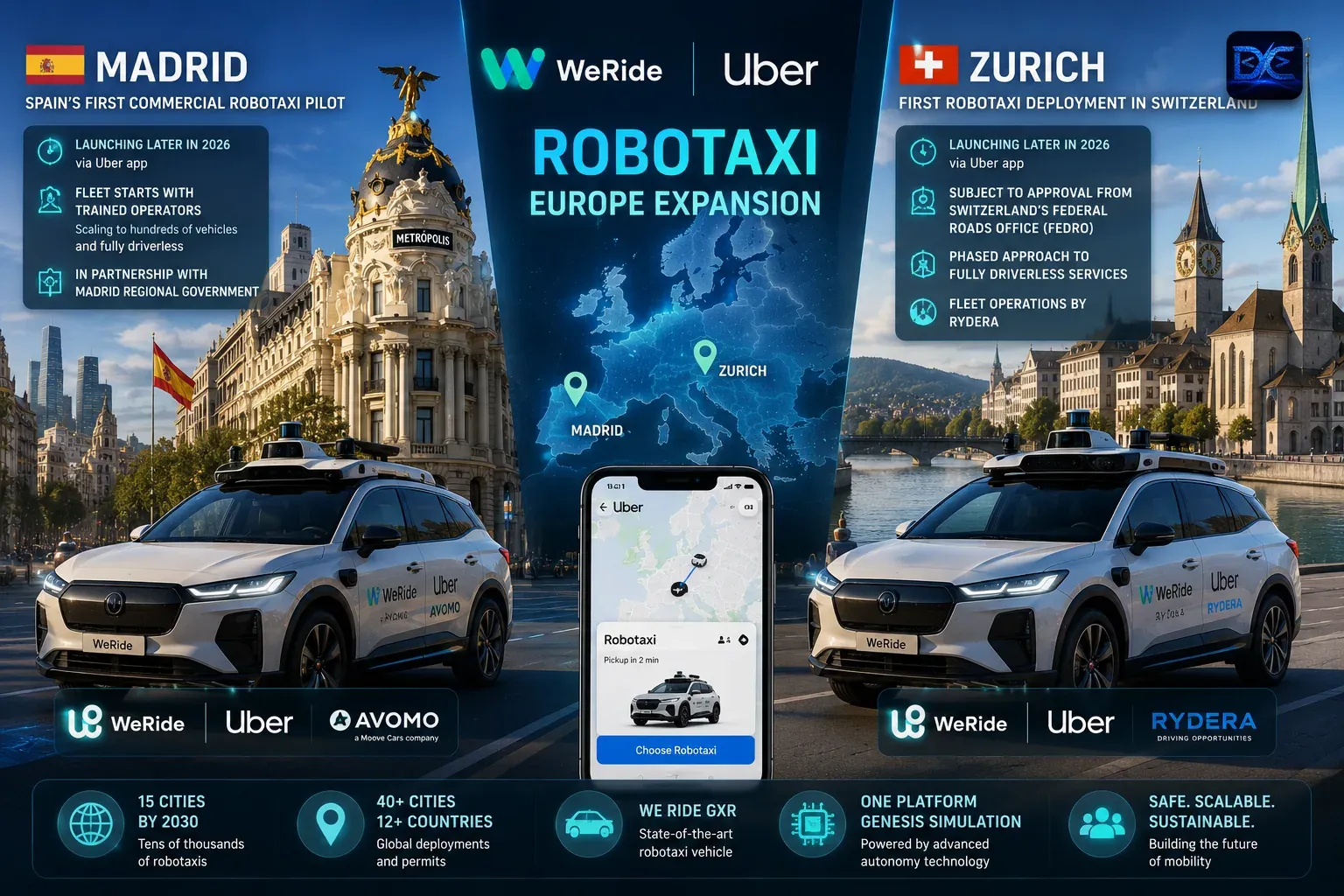
WeRide and Uber Bring Robotaxis to Europe: Madrid and Zurich in 2026
WeRide (NASDAQ: WRD) and Uber are launching their first commercial robotaxi services in Europe — Madrid (announced June 2) and Zurich (announced June 17, 2026). Here's what each deployment involves, the asset-light model behind it, and how it fits their 15-cities-by-2030 plan.
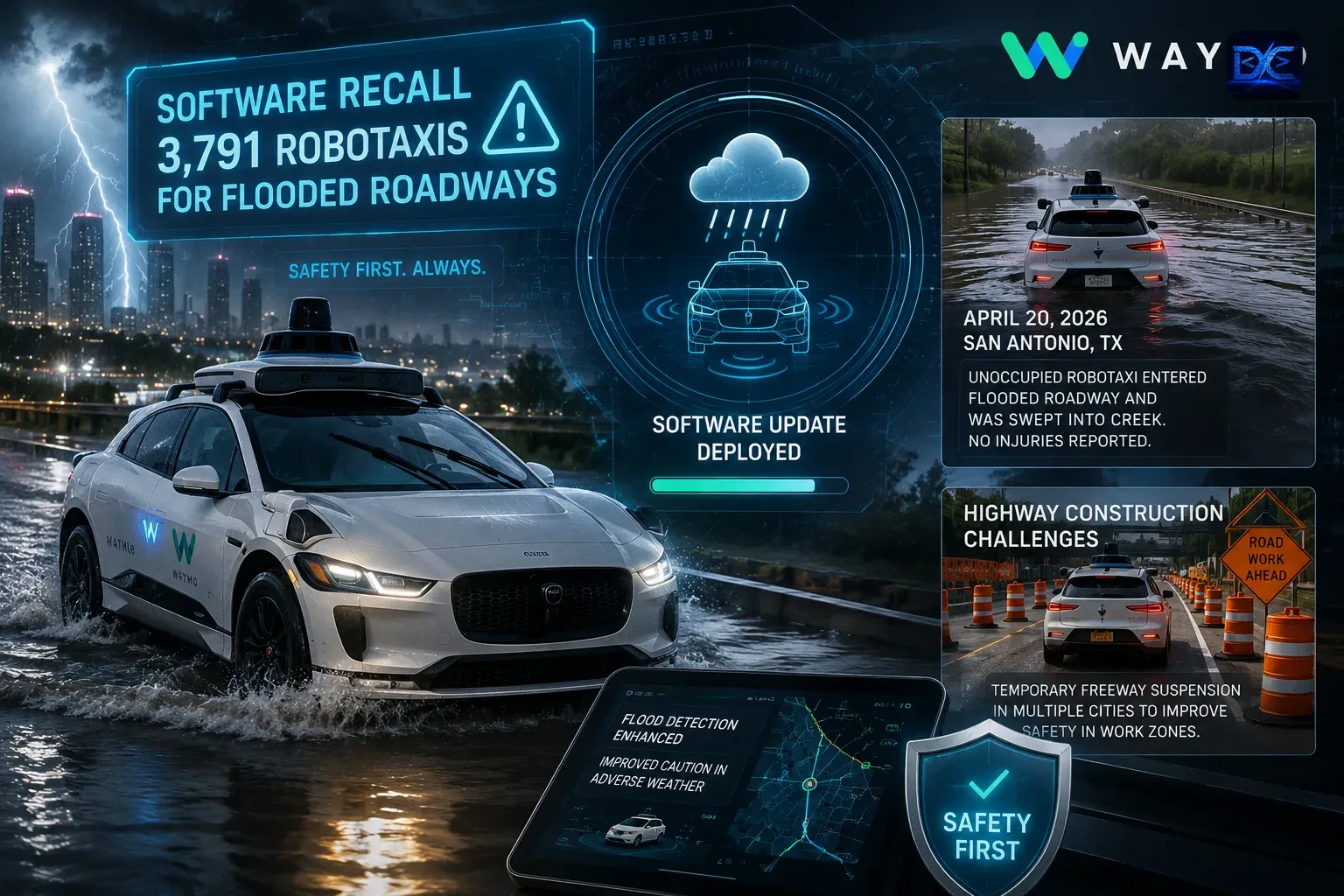
Waymo's ~4,000-Robotaxi Recall: It Was Floods, Not Construction Zones
There's real confusion mixing up two separate Waymo safety actions from May 2026. The recall of nearly 4,000 robotaxis was a flooded-roadway software issue filed with NHTSA — not the freeway construction-zone pause. Here's the accurate, side-by-side breakdown.
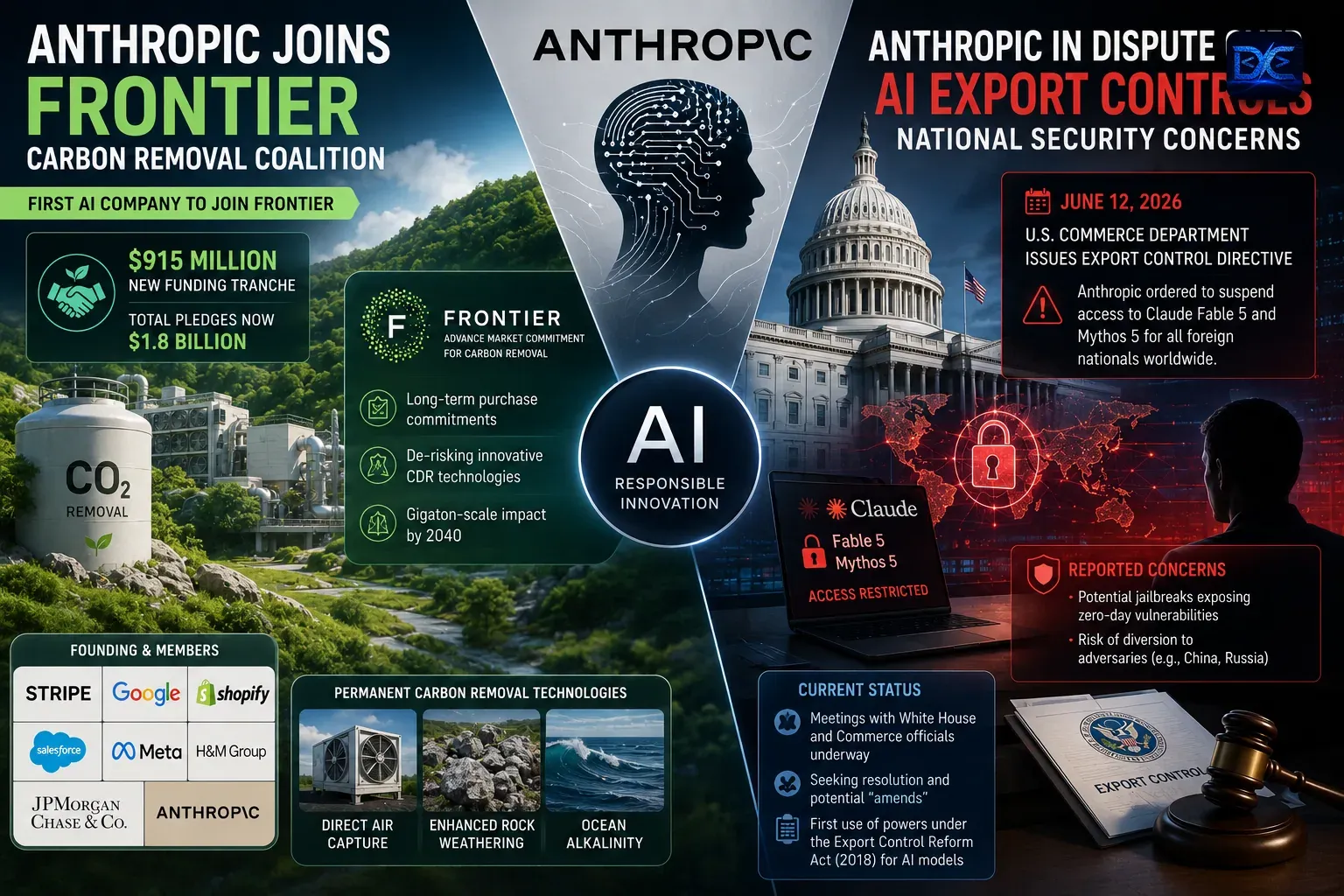
Anthropic Joins Frontier's Carbon-Removal Coalition — While Fighting an Export-Control Fire
On June 17, 2026, Anthropic became the first dedicated AI company to join Frontier, the advance-market-commitment coalition for permanent carbon removal, helping push its pledges to $1.8B. It happened in the middle of a high-profile U.S. export-control dispute over Claude Fable 5 and Mythos 5. Here's both stories.
Have a project or an idea?
We don't just write about software — we build it. Tell us what you're working on and we'll get back within 1–2 business days.