SpaceX Goes Public: Inside the Largest IPO in History
SpaceX (Nasdaq: SPCX) priced at $135 in June 2026 and raised roughly $75 billion — the biggest IPO ever, surpassing Saudi Aramco. The stock then ran ~50% in days. Here's the IPO breakdown, the post-debut performance, and why analysts are split on the valuation.
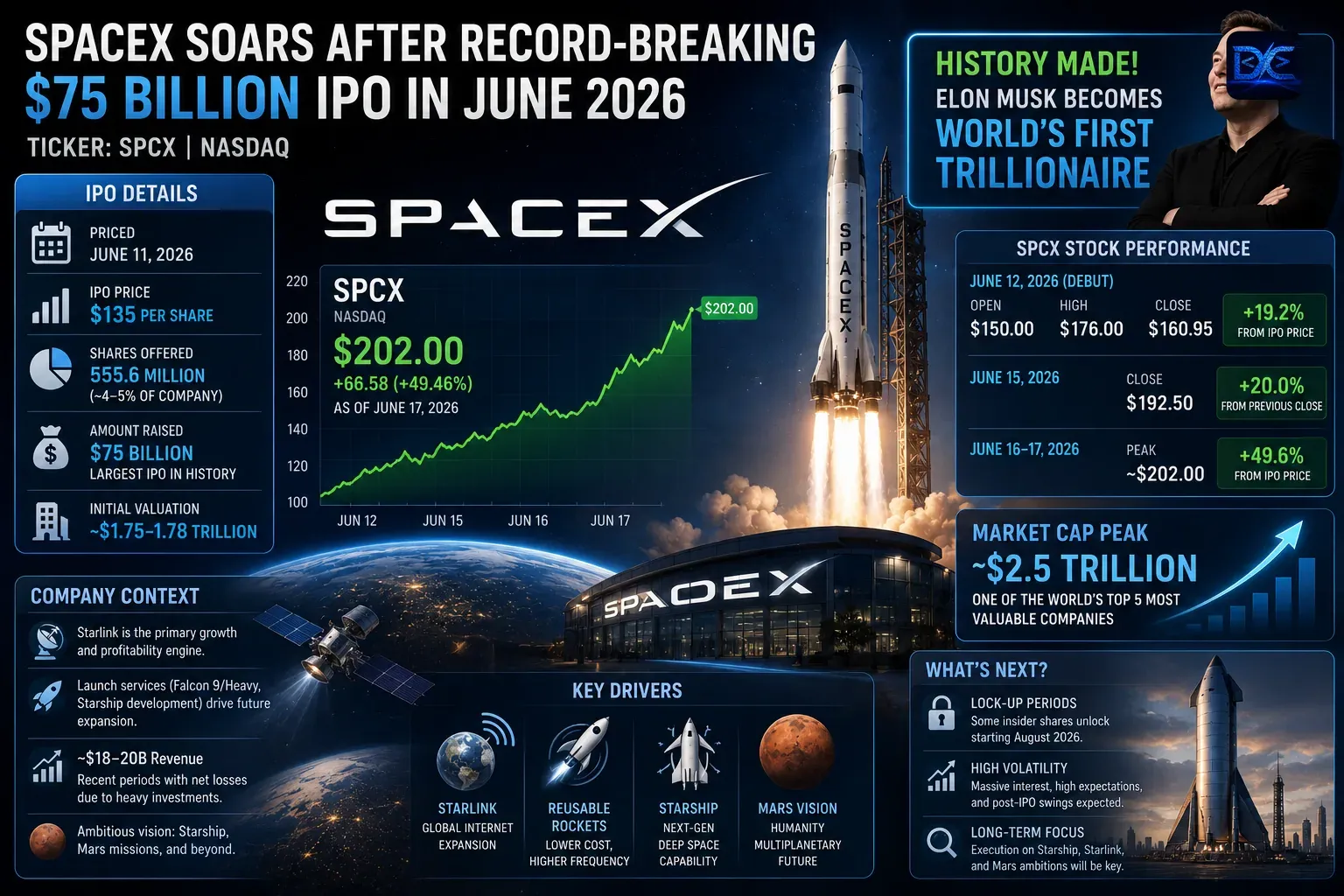
SpaceX just made history twice — once for the size of its IPO, and once for what it did to Elon Musk’s net worth. After pricing in mid-June 2026, SpaceX (Nasdaq: SPCX) raised roughly $75 billion, making it the largest IPO in history — surpassing Saudi Aramco’s previous record — and then ran hard out of the gate.
Volatile by nature. Prices below reflect the first trading days (June 12–17, 2026) and post-IPO stocks move fast. For the live quote, check a financial platform (ticker SPCX). Treat figures as point-in-time.
The IPO details
| Detail | |
|---|---|
| Priced | June 11, 2026 |
| First trade | June 12, 2026 |
| Ticker | SPCX (Nasdaq) |
| IPO price | $135 per share |
| Shares offered | 555.6 million (~4–5% of the company) |
| Raised | ~$75 billion — largest IPO ever |
| Initial valuation | ~$1.75–1.78 trillion at the IPO price |
Selling only about 4–5% of the company while raising ~$75B tells you the scale: even a thin slice of SpaceX is a record-setting offering.
Post-IPO performance
The debut was explosive, and the momentum kept building:
- Debut day (June 12): opened around $150, hit ~$176 intraday, and closed at $160.95 — +19.2% from the IPO price, pushing market cap above $2.1–2.2 trillion.
- First full day (June 15): up another ~20%, closing around $192.50.
- By June 16–17: roughly $202 per share — about +50% from the IPO price — with market cap peaking near $2.5 trillion, briefly placing SpaceX among the world’s top 5 most valuable companies.
The surge was driven by retail and institutional enthusiasm, hype around Starlink, reusable rockets, and Musk’s broader vision (Mars, Starship). Demand was intense — the IPO was reportedly oversubscribed — and it lifted other space names (e.g., Rocket Lab) along the way.
The business underneath the hype
Growth engine: Starlink (satellite internet) is the main driver of growth and profitability. Launch services (Falcon 9/Heavy, Starship development) and other contracts add to the mix. SpaceX reported roughly $18–20B revenue in recent periods but has posted net losses, driven by heavy investment in Starship, AI/ data centers, and Mars ambitions.
The Musk effect: the IPO reportedly made Elon Musk the world’s first trillionaire via his large ownership stake, and many employees became millionaires or centimillionaires.
The lock-up caveat: most shares — including Musk’s — are subject to lock-up periods, with some insider unlocks starting as early as August 2026. That sets up a potential source of future volatility when supply opens up.
The bull and bear cases
Bulls point to long-term dominance in space and satellite internet: Starlink’s recurring revenue, an unmatched launch cadence, and optionality on Starship and Mars.
Bears flag the valuation multiples relative to current revenue and profits, plus execution risk on famously ambitious projects. Some analysts (e.g., Morningstar) called it significantly overvalued even before the IPO — and the ~50% post-debut run only widened that gap.
Takeaway: SpaceX’s debut prices in years of flawless execution. The business (Starlink especially) is real and growing — but at a multi-trillion-dollar cap on ~$18–20B of revenue with net losses, the valuation leaves little room for error.
Why it matters
1. A private icon becomes a public mega-cap. SpaceX going from unicorn to one of the world’s largest public companies is a landmark moment for the space industry and for public-market access to it.
2. Starlink is the story under the rocket. The market is largely valuing recurring satellite-internet revenue, not just launches. That reframes SpaceX as much as a connectivity company as an aerospace one.
3. Watch the lock-ups. Today’s scarcity (only ~4–5% floated) is part of the run-up. The August 2026 unlock window is the first real test of how the stock behaves when more supply hits the market.
Bottom line
SpaceX’s IPO is a historic shift — the largest in history, a ~$1.75T+ opening valuation, and a stock that ran roughly +50% in days on massive demand. It made Musk a trillionaire and minted a wave of employee wealth. But the same move that thrilled bulls has bears pointing at stretched multiples, net losses, and looming lock-up unlocks.
In short: a genuine landmark, wrapped in classic post-IPO volatility. For the absolute latest price, check Nasdaq or Yahoo Finance under ticker SPCX.
Sources: IPO pricing and trading data for June 11–17, 2026, and analyst commentary (including Morningstar). Post-IPO prices are volatile and point-in-time; verify the current quote before relying on it.
Related articles
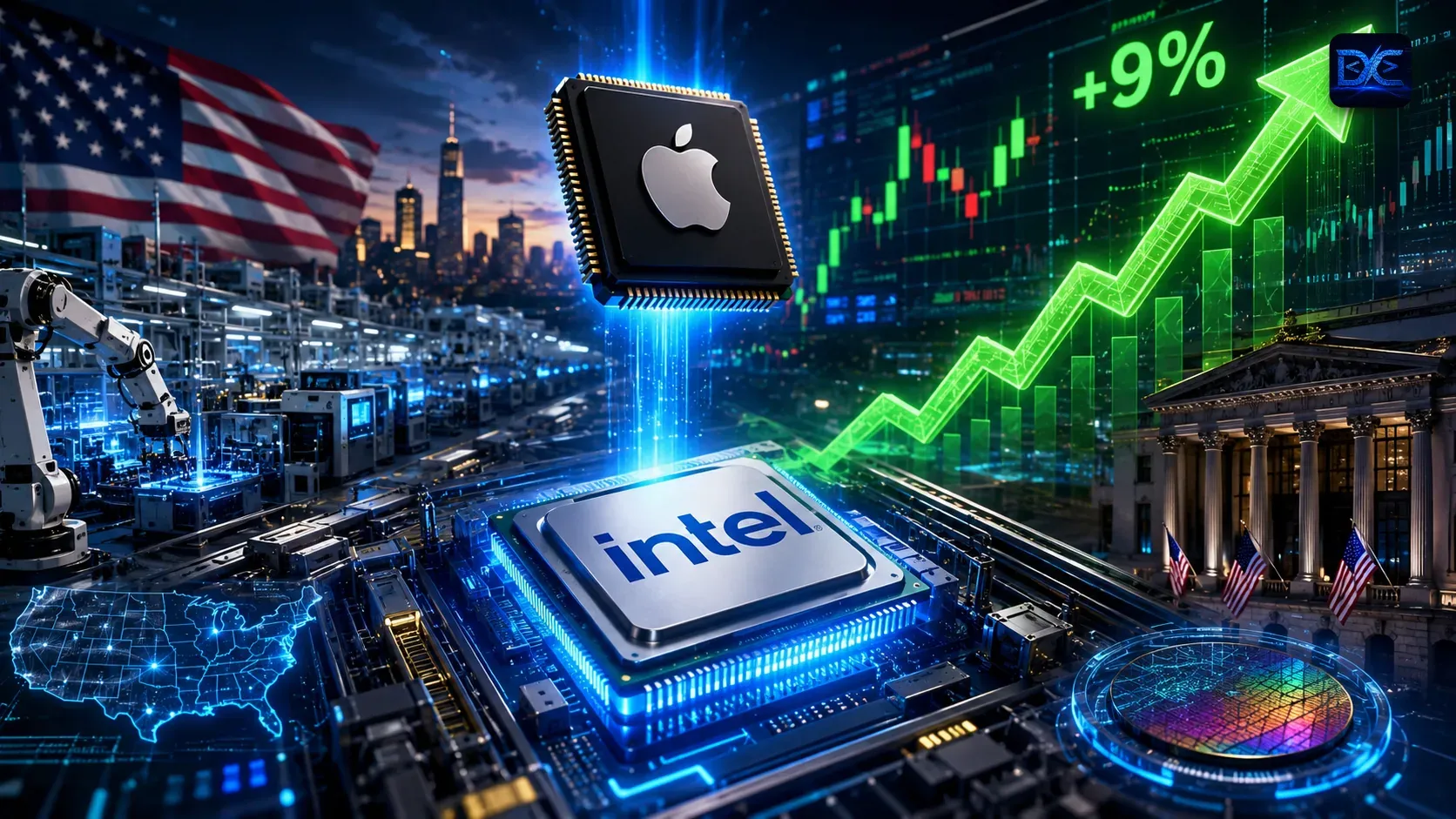
Intel Jumps ~9% on Apple Chip Partnership: What's Behind the Surge
Intel shares spiked nearly 9% in pre-market on June 18, 2026 after President Trump said Apple has agreed to partner with Intel to design and make chips in the U.S. Here's what the deal reportedly involves, why it's a big deal for Intel's foundry turnaround, and the caveats worth keeping in mind.
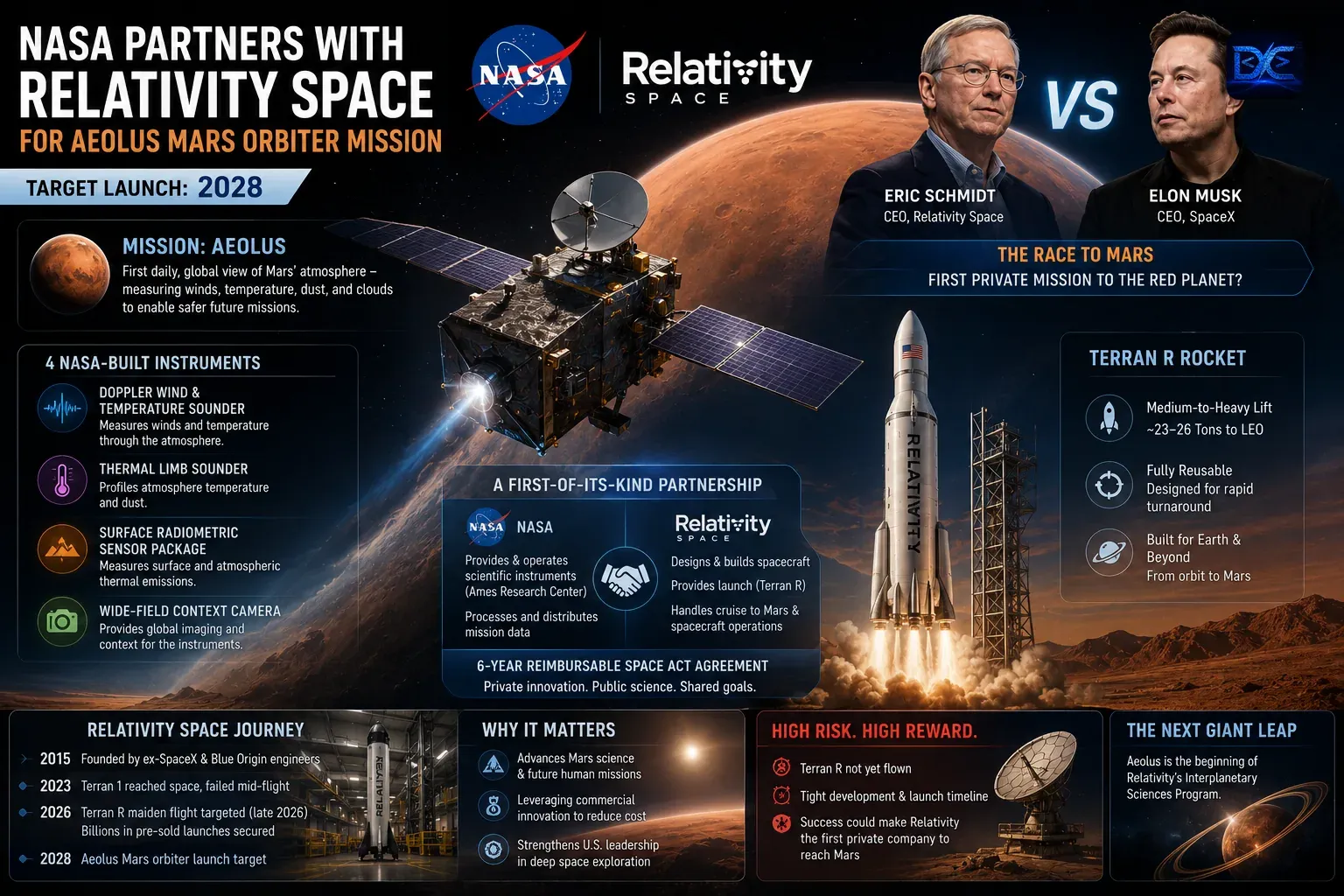
NASA Bets on Relativity Space for a 2028 Mars Orbiter — Setting Up a Race With SpaceX
NASA announced a public-private partnership with Eric Schmidt-led Relativity Space to build and fly the Aeolus Mars orbiter, targeting a 2028 launch on the Terran R rocket. If it works, Relativity could become the first private company to fly a dedicated mission to Mars. Here's the deal, the science, and the risks.
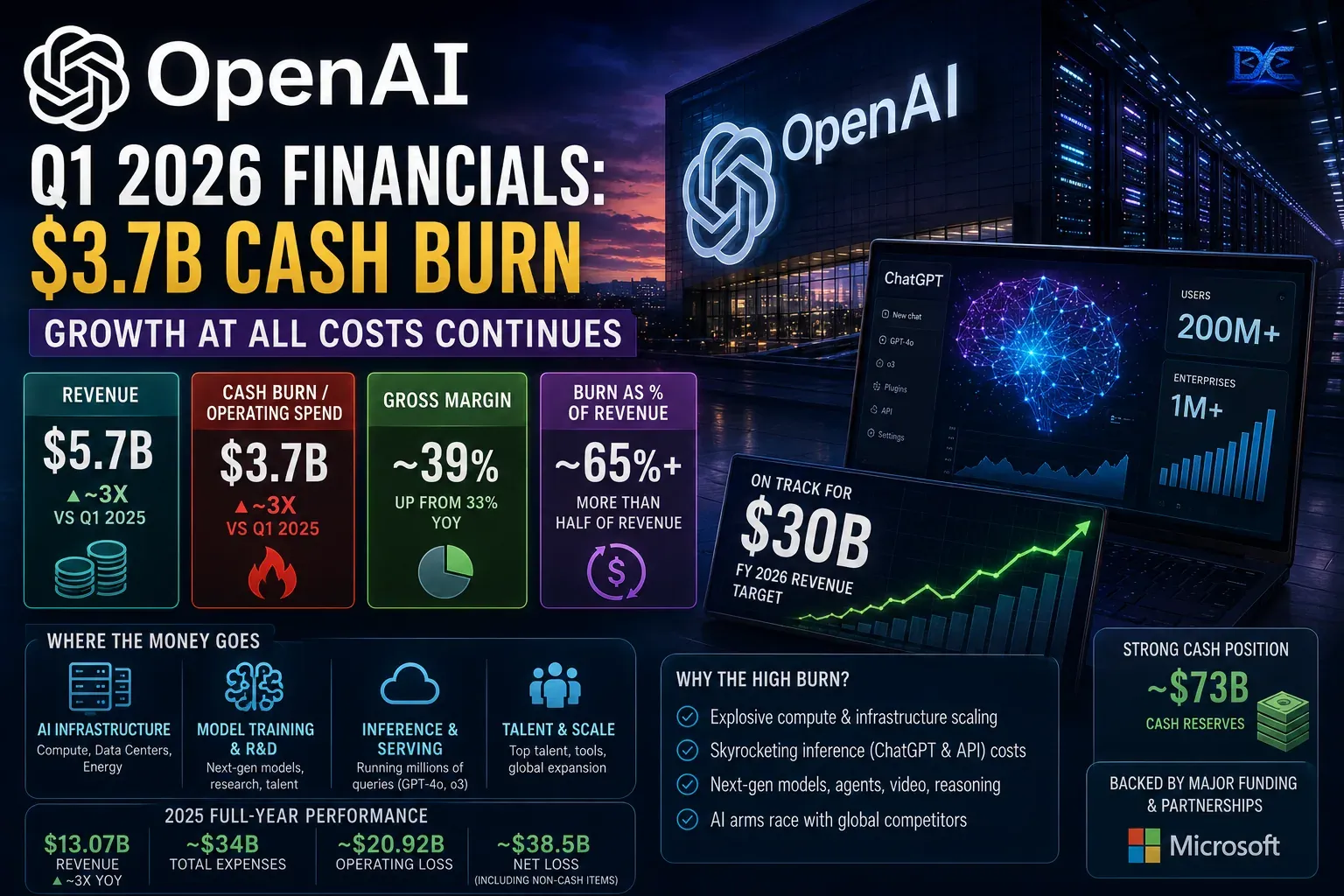
OpenAI's Q1 2026: $5.7B Revenue, $3.7B Burn — Growth at All Costs
OpenAI's first quarter of 2026 shows revenue and cash burn both roughly tripling year over year. Here's a clear, no-jargon look at the numbers, where the money goes, why the burn is so high, and what it means for the road to profitability.
Have a project or an idea?
We don't just write about software — we build it. Tell us what you're working on and we'll get back within 1–2 business days.