NASA Bets on Relativity Space for a 2028 Mars Orbiter — Setting Up a Race With SpaceX
NASA announced a public-private partnership with Eric Schmidt-led Relativity Space to build and fly the Aeolus Mars orbiter, targeting a 2028 launch on the Terran R rocket. If it works, Relativity could become the first private company to fly a dedicated mission to Mars. Here's the deal, the science, and the risks.
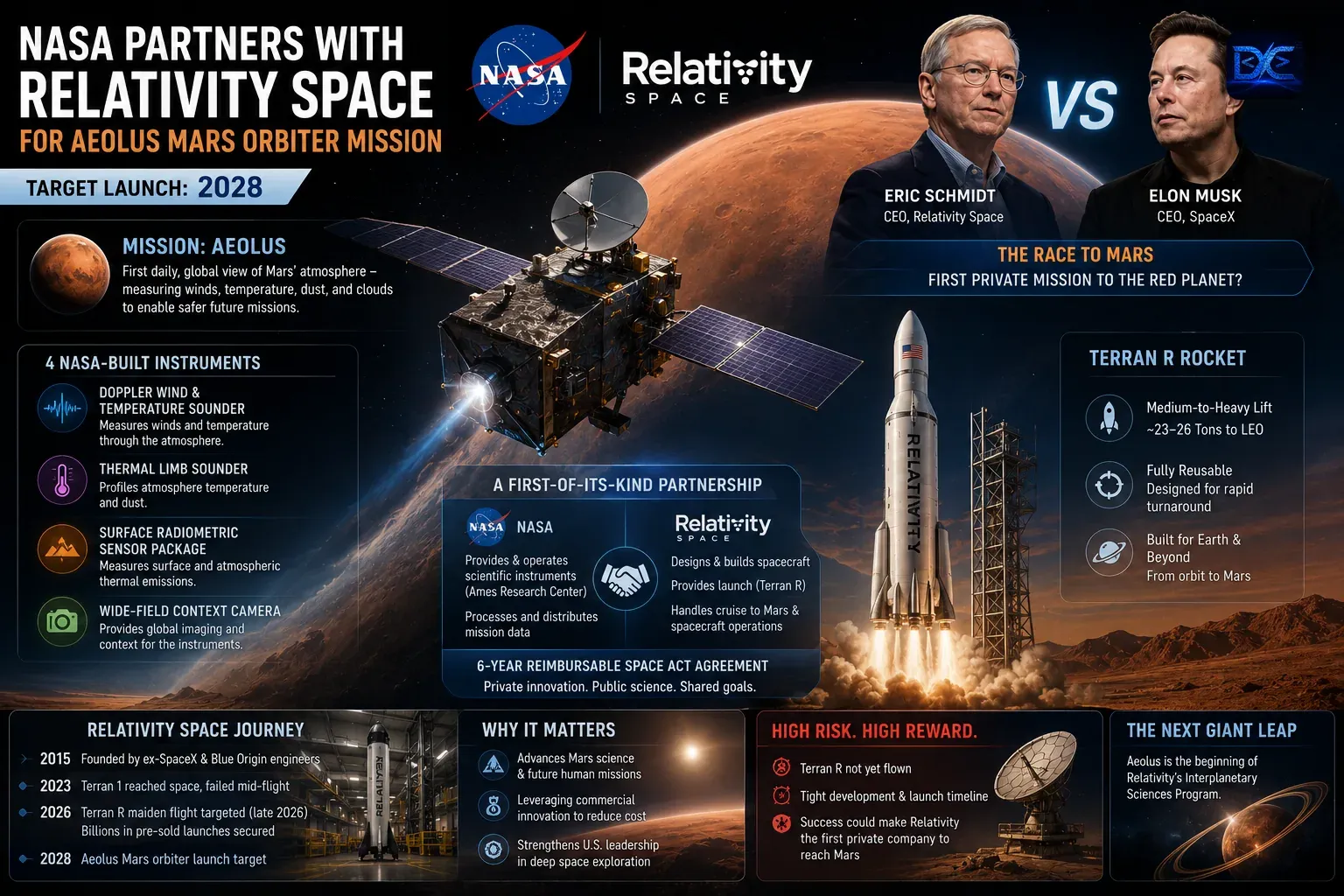
NASA just made a bold, slightly risky bet. It announced a public-private partnership with Relativity Space — the rocket company now led by former Google CEO Eric Schmidt — to develop and fly the Aeolus Mars orbiter, targeting a 2028 launch. If it succeeds, it could make Relativity the first private company to send a dedicated mission to Mars — ahead of SpaceX.
Early and unproven. This is a recent announcement with real execution risk — Relativity’s Terran R rocket hasn’t flown yet. Timelines and outcomes can shift. Treat the 2028 target as an ambition, not a guarantee.
The mission: Aeolus
Objective: provide the first daily, global view of Mars’ atmosphere — measuring winds, temperature, dust, and clouds from orbit. That data sharpens the models needed for safer entry, descent, and landing of future missions, from landers to eventual crewed spacecraft.
Payload — four NASA-built instruments:
- Doppler Wind and Temperature Sounder
- Thermal Limb Sounder
- Surface Radiometric Sensor Package
- Wide-Field Context Camera
Who does what:
| Role | NASA | Relativity Space |
|---|---|---|
| Science | Supplies + operates instruments (via Ames Research Center) for ≥1 Martian year; processes data | — |
| Spacecraft | — | Designs and builds it |
| Launch | — | Provides the vehicle (Terran R) |
| Cruise + ops | — | Handles cruise to Mars and spacecraft operations |
The structure is novel: a first-of-its-kind six-year reimbursable Space Act Agreement. NASA supplies the science payload; Relativity invests in the spacecraft, launch, and operations (with possible philanthropic support). It mirrors past NASA models with SpaceX (cargo to ISS) and Firefly (Moon landers) — industry shares the development cost and risk.
Who is Relativity Space?
- Founded in 2015 by former SpaceX and Blue Origin engineers, built around 3D-printed rockets for lower cost.
- Terran 1 (2023) reached space but failed mid-flight.
- Pivoted to the larger, reusable Terran R — medium-to-heavy lift, roughly 23–26 tons to LEO, comparable to Falcon 9.
- Eric Schmidt’s involvement: in 2025 he acquired a controlling stake, became CEO, and invested heavily (reported in the ~$800M range), steering the company toward bigger ambitions — including orbital data centers for AI and interplanetary missions.
The company has booked billions in pre-sold launches and launched an Interplanetary Sciences Program, with this Mars orbiter as its flagship.
The race with SpaceX
Here’s the twist that makes this a story. Elon Musk and SpaceX have talked Mars colonization for years, with Starship as the vehicle — but SpaceX has not yet flown a dedicated science or operational mission to Mars (the 2018 Roadster was a PR stunt that missed its target).
If Aeolus launches successfully in 2028 on Terran R, it would mark the first private company-led mission to Mars — putting Schmidt (who has publicly sparred with Musk on AI safety) in direct competition with Musk in space.
The risks — and why NASA is doing it anyway
The risks are real:
- Terran R hasn’t flown. Its debut is targeted for late 2026. A brand-new heavy-lift rocket carrying a Mars mission two years later is an aggressive schedule.
- Tight timeline. Relativity must develop the spacecraft and nail the Terran R debut quickly to hold a 2028 launch.
- Unproven at scale. Analysts view this as a high-risk bet for NASA.
Why NASA leans in anyway: the strategy is to leverage commercial innovation to stretch budgets and accelerate science amid fiscal constraints. NASA Administrator Jared Isaacman — a private-astronaut veteran — strongly backs this model, where industry shares development costs and risk in exchange for a bigger role.
Takeaway: Aeolus is a wager on the commercial model itself. If Relativity delivers, NASA gets daily Mars-weather science it might not otherwise afford — and the private sector takes a real step into deep space. If Terran R slips, so does the mission.
Why it matters
1. Commercial deep space is arriving. The same playbook that opened ISS cargo and Moon landers to industry is now reaching Mars. That’s a structural shift in who explores the solar system.
2. The competition is widening. A credible second mover to Mars — backed by Schmidt’s capital and ambitions — changes the field from “SpaceX someday” to an actual race.
3. Better landing data helps everyone. Daily atmospheric readings (winds, dust, temperature) directly de-risk the hardest part of going to Mars: getting down safely. That benefits future landers and crewed missions broadly.
Bottom line
NASA’s partnership with Relativity Space on the Aeolus Mars orbiter is a high-stakes bet on the commercial model — with a 2028 target, a six-year reimbursable agreement, and four NASA instruments riding a spacecraft and rocket that still have to prove themselves. Pull it off, and Relativity becomes the first private company to reach Mars, with Schmidt squaring off against Musk in deep space.
Exact contract value remains undisclosed, and the timeline is ambitious. This one is worth watching closely as Terran R’s debut approaches.
Sources: NASA and Relativity Space announcements, plus reporting on the reimbursable Space Act Agreement and Terran R development. The story is recent and timelines are ambitious; verify current status before relying on specifics.
Related articles
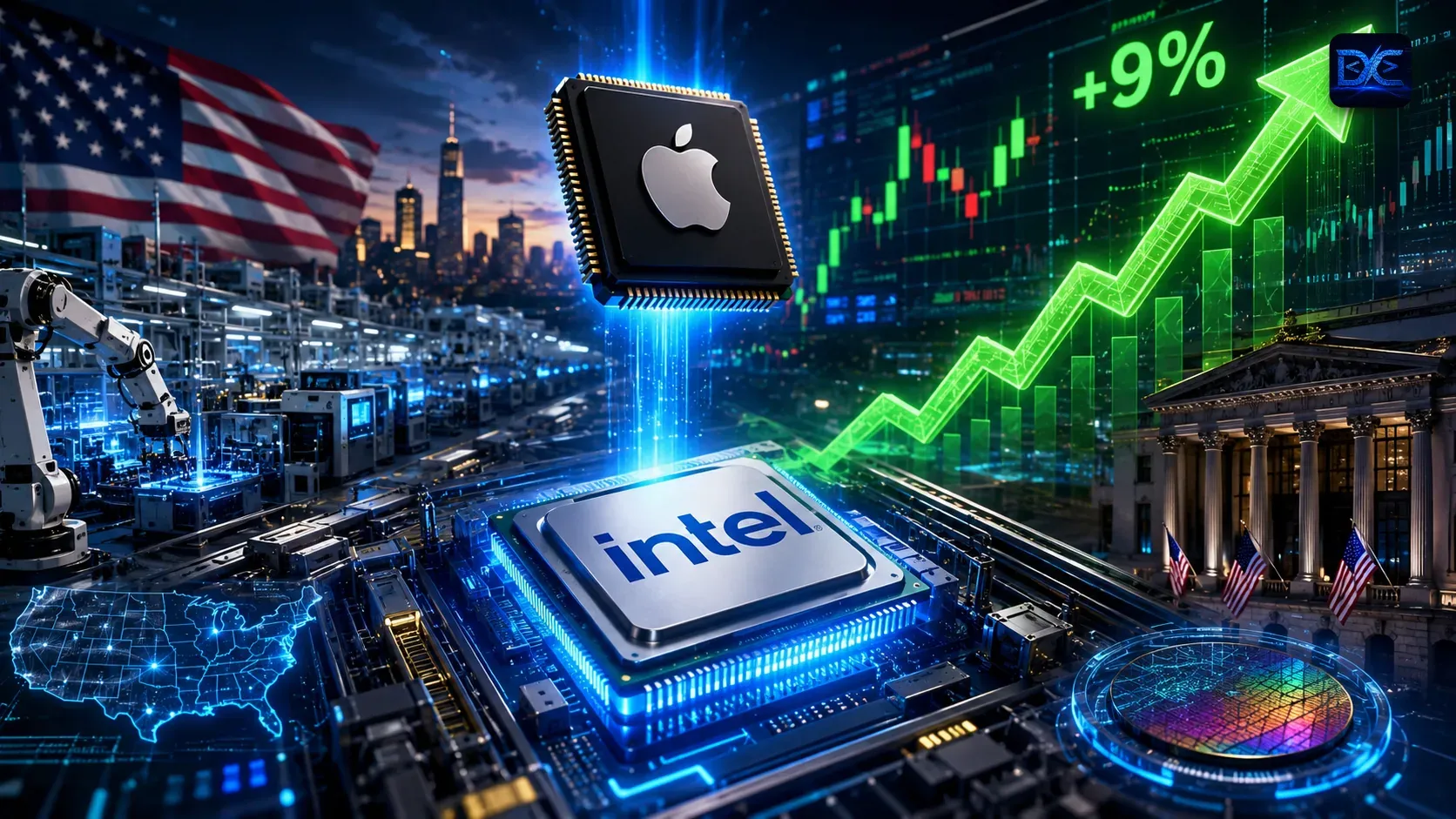
Intel Jumps ~9% on Apple Chip Partnership: What's Behind the Surge
Intel shares spiked nearly 9% in pre-market on June 18, 2026 after President Trump said Apple has agreed to partner with Intel to design and make chips in the U.S. Here's what the deal reportedly involves, why it's a big deal for Intel's foundry turnaround, and the caveats worth keeping in mind.
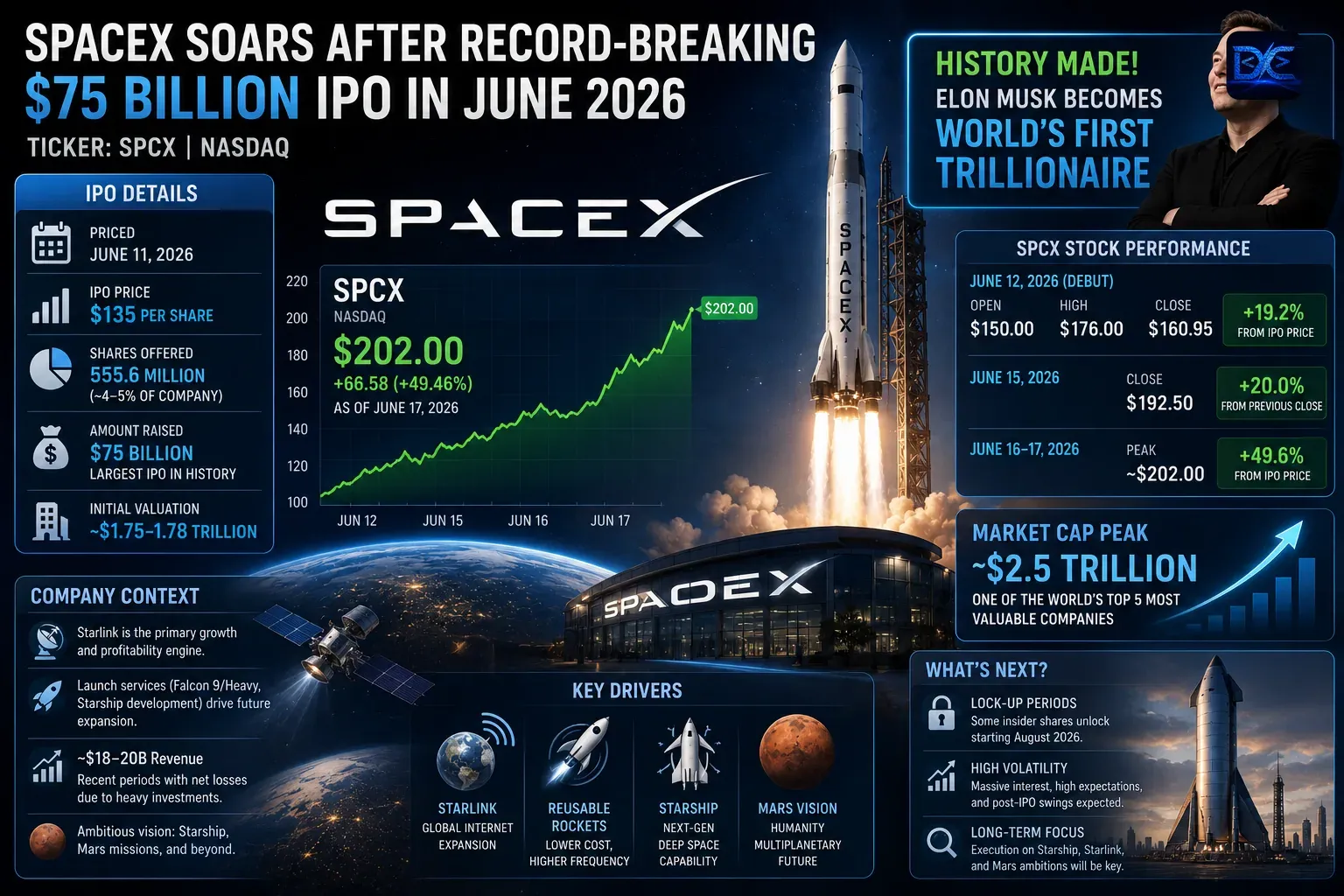
SpaceX Goes Public: Inside the Largest IPO in History
SpaceX (Nasdaq: SPCX) priced at $135 in June 2026 and raised roughly $75 billion — the biggest IPO ever, surpassing Saudi Aramco. The stock then ran ~50% in days. Here's the IPO breakdown, the post-debut performance, and why analysts are split on the valuation.
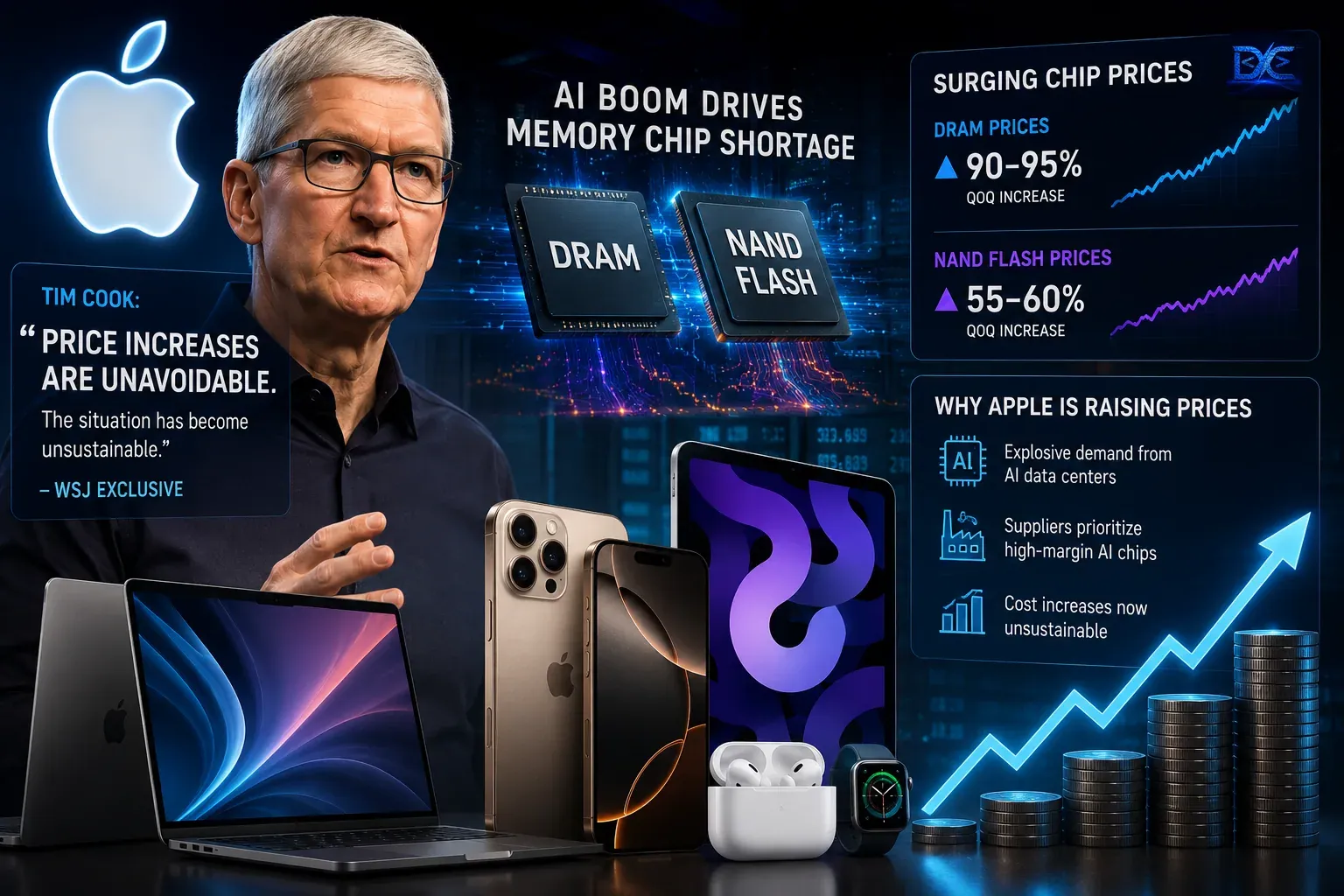
Tim Cook: Apple Price Hikes Are 'Unavoidable' as AI Drains the Memory Market
In a WSJ interview published June 17, 2026, Apple CEO Tim Cook confirmed price increases are coming, blaming a 'hundred-year flood' in memory and storage chip costs driven by AI data-center demand. Here's why DRAM and NAND prices spiked, what could get pricier, and the context behind the move.
Have a project or an idea?
We don't just write about software — we build it. Tell us what you're working on and we'll get back within 1–2 business days.